


 中文简体
中文简体
Understanding Hydraulic Water Pumps Hydraulic water pumps are pivotal components in modern industrial, agricul...
READ MOREHow to Choose the Right Snow Removal Equipment for Your Needs?
With the increasing frequency of extreme weather events due to climate change, snow removal has become increasingly important. Whether in city streets, parking lots, or large industrial parks, efficient and safe snow removal has become a critical issue for many areas. The selection and application of snow removal equipment directly determines the efficiency and effectiveness of snow removal efforts.
Snow removal equipment is not just for removing snow; it also plays a crucial role in ensuring road safety, reducing accidents, and improving traffic flow.
Types and Selection of Snow Removal Equipment
Snow removal equipment can be broadly categorized into several types, primarily including manually operated equipment, semi-automatic equipment, and fully automatic equipment. Each type of equipment is adapted to different environments and scenarios based on the specific needs of the snow removal operation. Generally, manually operated equipment, such as push snowplows, is mainly used for small-scale snow removal, while automated snowplows are commonly used for large-scale snow removal operations.
Push snowplows, due to their portability, are suitable for relatively small areas such as residential areas and shopping mall parking lots. They can quickly clear snow by being pushed and pulled by the operator, making them particularly suitable for areas with light snowfall. In comparison, while manually operated snowplows require some physical effort, their ease of operation and relatively low price make them the preferred choice for many families or small shops.
For large-scale snow removal operations, especially in areas requiring frequent clearing such as city roads, airport runways, or industrial parks, fully automatic snow removal equipment is more suitable. This type of equipment is typically equipped with large-capacity snowplows, powerful drive systems, and intelligent control systems, enabling the removal of large amounts of snow in a short time.
The Working Principle of Snow Removal Equipment
The working principle of snow removal equipment is not complex, but it involves several technical elements. Taking a snowplow as an example, it typically includes four main parts: a power system, a snow removal device, a conveying system, and a control system. The power system is the "heart" of the equipment, providing the power required for its operation, while the snow removal device usually consists of large snowplows, brushes, etc., which push or remove snow as the equipment moves.
Modern snowplows are often equipped with intelligent control systems that use sophisticated algorithms to control the sweeping force, speed, and direction, ensuring the efficiency and accuracy of snow removal work. In addition, some high-end equipment is equipped with de-icing capabilities, enabling it to handle more complex snow removal needs. These intelligent devices not only improve cleaning efficiency but also significantly reduce human error, ensuring the safety of the cleanup operation.
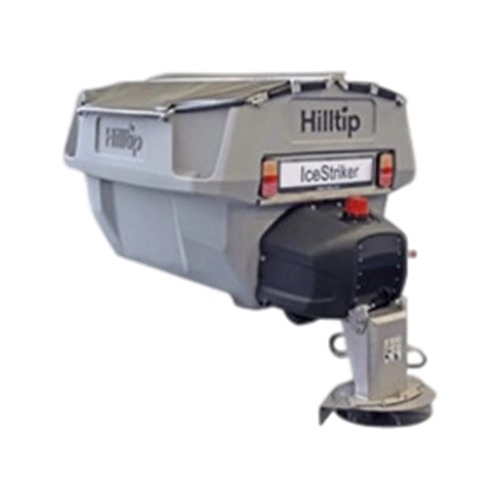
Core Technologies and Innovations in Snow Removal Equipment
With continuous technological advancements, snow removal equipment is constantly evolving towards intelligence and automation. In recent years, many manufacturers have incorporated GPS positioning systems, automatic obstacle avoidance technology, and big data analytics into their equipment. These technologies enable the equipment to not only complete cleaning tasks more accurately but also adjust its operating mode based on real-time weather data, improving the accuracy of snow removal.
For example, GPS positioning systems allow snowplows to automatically travel along predetermined routes during the cleaning process, avoiding repeated cleaning or missed areas. Simultaneously, automatic obstacle avoidance technology allows the equipment to avoid collisions with surrounding obstacles while clearing snow, reducing the risk of equipment damage.
With increasing environmental awareness, some snow removal equipment is also adopting more environmentally friendly power systems, such as electric drive replacing traditional fuel drive. This not only reduces environmental pollution but also significantly lowers operating costs, improving long-term economic benefits.
Maintenance and Care of Snow Removal Equipment
Regular maintenance and care are essential to ensure the efficiency and durability of snow removal equipment. Different types of equipment have different maintenance cycles and requirements, but basic maintenance includes regularly checking the power system, snowplows and conveying devices, and checking the oil and lubrication systems.
Maintaining the power system is crucial, especially in low-temperature environments, where the engine and battery may malfunction due to excessive heat. Timely checks of the power system to ensure sufficient fuel or power are vital for extending the equipment's lifespan.
Inspecting the snow removal devices is also a necessary task after each use. Snow accumulation can easily clog the snowplows or brushes, affecting efficiency and potentially damaging the equipment. Therefore, cleaning and inspecting the equipment after snow removal is a crucial step in ensuring long-term stable operation.
Safe Operation of Snow Removal Equipment
While modern snow removal equipment is designed with many safety factors in mind, users still need to exercise extra caution during operation. When using large equipment such as snowplows, operators must undergo professional training and be proficient in operating the equipment and adhering to safety regulations.
FAQ: Common Questions about Snow Removal Equipment
Q1: Is snow removal equipment suitable for all weather conditions?
Most modern snow removal equipment is highly adaptable and can handle various weather conditions, including heavy snow and freezing temperatures. However, in extreme weather conditions, the efficiency of the equipment may be affected. Therefore, choosing high-performance equipment is particularly important in extreme climates.
Q2: How to extend the lifespan of snow removal equipment?
To extend the lifespan of snow removal equipment, regular maintenance is essential, especially checking the power system and sweeping devices. Avoiding overloading the equipment and strictly following the manufacturer's instructions are also key to ensuring long-term stable operation.
Q3: What is the difference between electric snow removal equipment and traditional fuel-powered equipment?
The biggest advantages of electric snow removal equipment compared to traditional fuel-powered equipment are its environmental friendliness and low noise. Electric equipment does not emit exhaust fumes, making it environmentally friendly, and its lower noise level makes it suitable for use in densely populated areas. However, the battery life and power of electric equipment may be slightly less than that of fuel-powered equipment. Therefore, users should choose the appropriate equipment based on their specific needs.
PREV:How Do Hydraulic Pumps Affect System Stability?
NEXT:How Can Underwater Dredging Robots Improve the Efficiency and Safety of Port Cleaning?
NEXT:How Can Underwater Dredging Robots Improve the Efficiency and Safety of Port Cleaning?
Interested in cooperation or have questions?
News
-
-
What is an Underwater Dredging Robot Underwater Dredging Robot is an advanced mechanical device designed speci...
READ MORE -
Introduction Winter weather brings many challenges, and one of the most critical issues is snow and ice accumu...
READ MORE -
Selecting the optimal Hydraulic Power Unit (HPU) is a critical decision that directly impacts the efficiency, ...
READ MORE

-
Factory Address
Weiwu Road, Phase II, Shexian Economic Development Zone, Mount Huangshan City, Anhui Province, China
-
Mobile Phone
+86 15212700663
Stay Connected
lf you can't find the answer you're looking for, chat with our friendly team.
Stay Connected
Copyright © Huirui Intelligent Equipment Co., Ltd. All Rights Reserved.China Custom Hydraulic and Emergency Equipment Manufacturers
