


 中文简体
中文简体
Understanding Hydraulic Water Pumps Hydraulic water pumps are pivotal components in modern industrial, agricul...
READ MOREHow Do Hydraulic Pumps Affect System Stability?
In modern hydraulic systems, hydraulic pumps occupy a central position. As a key component converting mechanical energy into hydraulic energy, the performance of the hydraulic pump directly determines the efficiency, stability, and service life of the entire system. Whether in engineering machinery, industrial equipment, or high-end manufacturing, high-quality hydraulic pumps are the foundation for reliable system operation. With the increasing demands for precision and continuous operation capabilities in equipment, higher standards are being set for the structural design, material processing, and performance of hydraulic pumps themselves.
Working Principle and Structural Characteristics of Hydraulic Pumps
The essential function of a hydraulic pump is to achieve fluid delivery and pressure build-up through changes in a closed volume. The precise coordination between the various components inside the pump body ensures the orderly flow of hydraulic oil between the suction and pressure chambers, resulting in a stable flow output. Excellent hydraulic pumps often feature a more compact structural design and smoother internal flow channels, which not only helps reduce energy loss but also effectively reduces noise and vibration during operation.
From a product perspective, the machining precision of a hydraulic pump directly affects its volumetric efficiency and pressure holding capacity. High-quality hydraulic pumps typically utilize more wear-resistant materials and undergo special treatment at critical friction points to ensure stable output even under prolonged, high-load conditions. This meticulous attention to detail is the fundamental reason for the high reliability of hydraulic pumps.
The Impact of Hydraulic Pump Performance on Hydraulic Systems
The performance of a hydraulic pump is not only reflected in its output capacity but also in its operational smoothness and response speed. Stable flow output ensures smooth operation of actuators, thereby improving the overall control precision of the equipment. For hydraulic systems requiring continuous operation, the thermal stability of the hydraulic pump is particularly important; good internal lubrication and a reasonable clearance design help reduce heat generation and extend the service life of the entire machine.
In practical applications, the sealing performance of the hydraulic pump is equally crucial. Products with a well-designed sealing structure can effectively reduce internal leakage, improve overall system efficiency, and reduce maintenance frequency. For users, this not only means lower operating costs but also higher equipment availability.
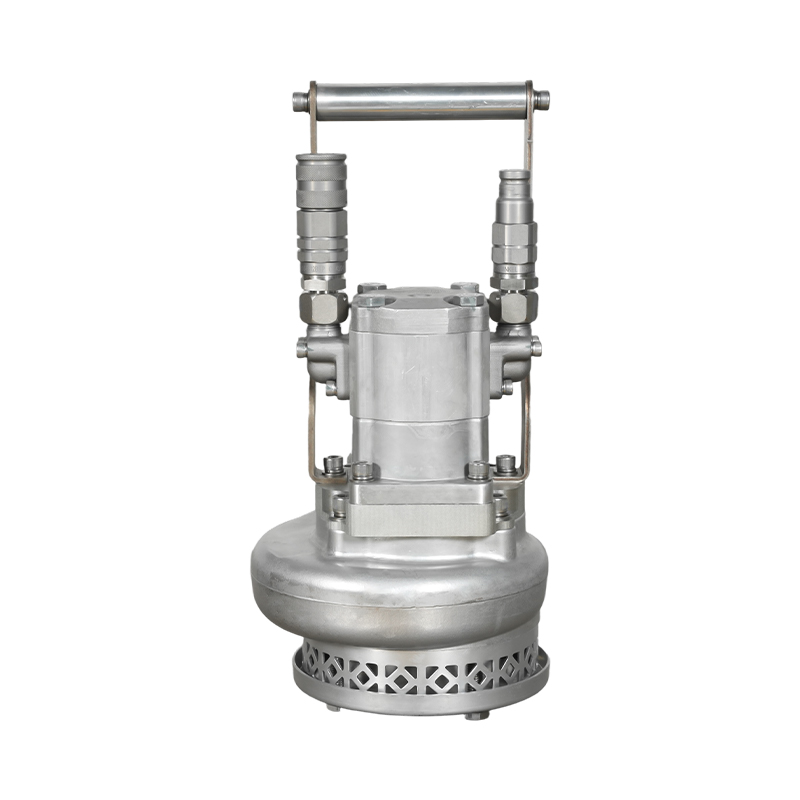
Manufacturing and Material Selection Advantages of High-Quality Hydraulic Pumps
From a product manufacturing perspective, the quality of a hydraulic pump is highly dependent on the selection of raw materials and manufacturing processes. Pump bodies and core moving components typically require excellent strength and fatigue resistance to withstand repeated load changes under complex working conditions. Precision machining and rigorous testing processes ensure that every hydraulic pump achieves a consistent performance level before leaving the factory.
High-end hydraulic pumps often focus on meticulous detail control in surface treatment and internal structure optimization. By optimizing the oil flow path, local pressure loss can be reduced, allowing the pump to maintain high efficiency under various operating conditions. This design philosophy, starting from the product itself, is a crucial guarantee for the long-term reliable operation of hydraulic pumps.
The Value of Hydraulic Pumps in Equipment Operation
Hydraulic pumps are not only a power source but also the "heart" of system stability. When the hydraulic pump operates smoothly, the entire hydraulic system responds more precisely, and equipment movements are smoother. For applications requiring high precision and consistency, the quality of the hydraulic pump often directly affects the final product's processing quality or operational efficiency.
From a user experience perspective, a mature and reliable hydraulic pump significantly reduces the probability of failure and minimizes downtime for maintenance. The value brought by this stability often far exceeds the cost of the product itself, which is one of the reasons why high-quality hydraulic pumps have long been favored by the market.
Key Considerations in Hydraulic Pump Selection
When selecting a hydraulic pump, the focus should be on the overall compatibility and long-term performance. A reasonable structural design, stable output characteristics, and good adaptability are all important criteria for judging the quality of a hydraulic pump. Truly mature hydraulic pumps can maintain consistent performance under various working environments, providing continuous and reliable power support to the hydraulic system.
FAQ: Common Questions about Hydraulic Pumps
What is the core function of a hydraulic pump in a system?
The core function of a hydraulic pump is to provide stable hydraulic energy to the hydraulic system. Its performance directly affects system efficiency, response speed, and operational reliability.
What factors primarily determine the lifespan of a hydraulic pump?
The lifespan of a hydraulic pump is closely related to manufacturing processes, material quality, internal structural design, and actual operating conditions. High-quality products typically have a longer stable operating cycle under reasonable usage conditions.
How to determine if a hydraulic pump is suitable for long-term operation?
This can be judged comprehensively by considering its operational smoothness, temperature rise control capability, and sealing performance. These factors reflect the reliability of the hydraulic pump under long-term operating conditions.
Is hydraulic pump maintenance complex?
Hydraulic pumps with a reasonable structural design have relatively low maintenance requirements in daily use, and their good wear resistance and sealing performance can effectively reduce the frequency of maintenance.
PREV:Why Are Energy Efficiency and Sustainability Important in Hydraulic Equipment?
NEXT:How to Choose the Right Snow Removal Equipment for Your Needs?
NEXT:How to Choose the Right Snow Removal Equipment for Your Needs?
Interested in cooperation or have questions?
News
-
-
What is an Underwater Dredging Robot Underwater Dredging Robot is an advanced mechanical device designed speci...
READ MORE -
Introduction Winter weather brings many challenges, and one of the most critical issues is snow and ice accumu...
READ MORE -
Selecting the optimal Hydraulic Power Unit (HPU) is a critical decision that directly impacts the efficiency, ...
READ MORE

-
Factory Address
Weiwu Road, Phase II, Shexian Economic Development Zone, Mount Huangshan City, Anhui Province, China
-
Mobile Phone
+86 15212700663
Stay Connected
lf you can't find the answer you're looking for, chat with our friendly team.
Stay Connected
Copyright © Huirui Intelligent Equipment Co., Ltd. All Rights Reserved.China Custom Hydraulic and Emergency Equipment Manufacturers
