


 中文简体
中文简体
Understanding Hydraulic Water Pumps Hydraulic water pumps are pivotal components in modern industrial, agricul...
READ MORERevolutionizing Industrial Efficiency: The Rise and Role of Hydraulic Water Pumps
Understanding Hydraulic Water Pumps
Hydraulic water pumps are pivotal components in modern industrial, agricultural, and municipal water systems. Unlike conventional mechanical pumps, hydraulic water pumps leverage the principles of fluid mechanics and hydraulic force to move water efficiently, offering precise control over pressure and flow rate. At their core, these pumps convert mechanical energy from a motor or engine into hydraulic energy, which in turn generates a powerful and controlled water flow. This combination of strength and precision makes hydraulic pumps indispensable in scenarios where conventional pumps may struggle to maintain consistent performance under high-pressure conditions.
The fundamental working principle of a hydraulic water pump revolves around the movement of hydraulic fluid through a closed system. This fluid, typically a specialized oil or water-based solution, transmits energy from the driving source to the pumping mechanism. Key components include the pump body, pistons or impellers, valves, and reservoirs. Each component plays a crucial role in ensuring efficient water transfer while minimizing energy loss and mechanical wear.
One of the primary advantages of hydraulic water pumps is their adaptability across a wide range of pressures and volumes. They can handle low-flow, high-pressure applications just as effectively as high-flow, low-pressure systems, which makes them suitable for both precision tasks and large-scale water transfer operations. Additionally, the use of hydraulic power reduces the reliance on direct mechanical linkages, which can be prone to wear and tear in traditional pumps. This design innovation extends the lifespan of the equipment while maintaining operational reliability.
Hydraulic water pumps also offer superior safety features compared to conventional pumps. The controlled pressure output reduces the risk of sudden surges that can damage pipes or infrastructure. Furthermore, these pumps are often designed with built-in safeguards, such as pressure relief valves, to automatically prevent over-pressurization. This combination of efficiency, precision, and safety has led to widespread adoption across sectors, ranging from industrial factories that require continuous high-pressure water supply to agricultural fields needing controlled irrigation systems.
In addition to their mechanical advantages, hydraulic water pumps are also highly energy-efficient. By using hydraulic fluid to transmit energy, these pumps minimize losses that typically occur in traditional gear or belt-driven systems. This efficiency not only reduces operational costs but also aligns with growing global emphasis on sustainable and environmentally friendly industrial practices.
Types of Hydraulic Water Pumps
Hydraulic water pumps are not a one-size-fits-all solution; they come in multiple types, each optimized for specific applications and operating conditions. Understanding these variations is essential for selecting the right pump for industrial, agricultural, or municipal needs. Broadly, hydraulic water pumps can be classified into three main categories: centrifugal pumps, piston pumps, and submersible pumps.
Hydraulic Centrifugal Pumps
Hydraulic centrifugal pumps are among the most commonly used types in industrial applications. These pumps operate by converting rotational energy into kinetic energy, moving water outward from the center of an impeller and generating continuous flow. Centrifugal pumps are ideal for applications requiring high flow rates at moderate pressure, such as water supply systems, cooling circuits, and large-scale irrigation networks. Their simple design, minimal maintenance requirements, and ability to handle varying flow conditions make them a versatile choice for many operators.
Hydraulic Piston Pumps
Hydraulic piston pumps are precision devices capable of generating high pressures. Unlike centrifugal pumps, they use reciprocating pistons to displace water, providing highly controlled flow and pressure output. These pumps are particularly suitable for tasks that demand accuracy, such as high-pressure cleaning, industrial machinery operations, or hydraulic presses. The main advantage of piston pumps lies in their ability to maintain a constant flow rate regardless of pressure variations, ensuring reliability in demanding environments.
Hydraulic Submersible Pumps
Submersible hydraulic pumps are designed to operate underwater, making them ideal for deep wells, drainage, and other submerged water applications. These pumps prevent the need for priming since they are placed directly in the water source. Submersible pumps are often used in agriculture for irrigation, in municipal systems for sewage or flood control, and in construction sites to manage water accumulation. Their design ensures durability and resistance to corrosion, allowing for long-term operation under harsh conditions.
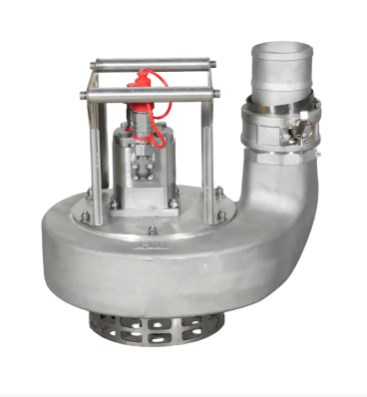
Product Table Suggestion:
| Pump Type | Max Pressure | Flow Rate | Typical Application | Material |
|---|---|---|---|---|
| Centrifugal | 10 bar | 500 L/min | Industrial water supply | Stainless steel |
| Piston | 200 bar | 50 L/min | High-pressure cleaning | Cast iron |
| Submersible | 15 bar | 200 L/min | Deep wells, irrigation | Stainless steel |
Each type of hydraulic water pump offers unique advantages tailored to specific tasks. Centrifugal pumps excel in high-volume, low-pressure scenarios, piston pumps dominate high-pressure precision operations, and submersible pumps are the go-to solution for submerged or deep water applications. Understanding these distinctions enables industries and agricultural operators to maximize efficiency, reduce operational costs, and ensure reliable water management.
Applications of Hydraulic Water Pumps
Hydraulic water pumps have become indispensable tools across a wide spectrum of industries due to their adaptability, efficiency, and precision. Their applications range from industrial operations to agriculture, municipal infrastructure, and commercial settings, each demanding specific pump types and operational characteristics. Understanding these applications helps businesses optimize performance and ensure reliable water management.
Industrial Applications
In industrial settings, hydraulic water pumps are widely used for processes that require consistent water pressure and high-volume flow. Factories and manufacturing plants rely on these pumps for cooling systems, machinery operation, and industrial cleaning. High-pressure piston pumps, for example, are often employed in metal fabrication facilities to supply water for hydraulic presses and cutting equipment. Additionally, hydraulic centrifugal pumps are preferred in chemical plants and large-scale production units due to their ability to handle continuous water flow efficiently. The use of hydraulic water pumps in these settings ensures operational continuity, reduces downtime, and maintains the safety of both equipment and personnel.
Agricultural Applications
Agriculture is another sector that heavily depends on hydraulic water pumps. Irrigation systems, which are essential for crop growth, require reliable pumps capable of delivering consistent water flow over large fields. Hydraulic submersible pumps are particularly useful for deep wells and water reservoirs, providing steady supply without the need for frequent priming. Additionally, portable hydraulic pumps are often deployed to manage drainage, livestock watering, and temporary irrigation setups. By employing hydraulic pumps, farmers can optimize water distribution, improve crop yields, and reduce manual labor in water management.
Municipal and Commercial Applications
Municipalities and commercial facilities also benefit from hydraulic water pumps for water supply, wastewater management, and firefighting systems. Hydraulic pumps can efficiently transport water across long distances, maintain pressure in high-rise buildings, and support emergency firefighting operations. In wastewater treatment plants, pumps help manage sewage flow and prevent flooding, while in commercial complexes, they maintain steady water supply for daily operations. The versatility of hydraulic pumps makes them an essential component in urban infrastructure planning.
Case Scenario Examples
- Construction Sites: Portable diesel hydraulic water pumps are often used to remove accumulated water from excavation sites, ensuring a dry and safe working environment.
- Deep Well Irrigation: Farmers employ hydraulic submersible pumps to access underground water, providing reliable irrigation even in arid regions.
- Industrial Cooling Systems: Large factories use hydraulic centrifugal pumps to circulate water for machinery cooling, maintaining operational efficiency and preventing overheating.
Maintenance and Troubleshooting
Proper maintenance of hydraulic water pumps is essential to ensure long-term reliability, efficiency, and safety. Neglecting regular checks can lead to performance drops, costly repairs, and even complete system failure. Maintenance routines focus on inspecting key components, monitoring hydraulic fluid quality, and addressing common operational issues promptly.
Routine Maintenance
Routine maintenance begins with monitoring the hydraulic fluid, which serves as the medium for energy transfer. Ensuring the fluid is clean, at the correct viscosity, and free of contaminants is crucial for optimal pump performance. Filters should be inspected and replaced periodically to prevent clogging, which can reduce flow rates and pressure.
Seals and valves must also be checked regularly. Worn or damaged seals can lead to fluid leakage, reducing pump efficiency and potentially causing damage to the surrounding equipment. Valves should operate smoothly to maintain correct fluid direction and prevent backflow, ensuring that pressure remains stable throughout the system.
Common Issues and Troubleshooting
Hydraulic water pumps can experience several common issues, including:
- Cavitation: This occurs when vapor bubbles form in the pump due to low inlet pressure. It can cause noise, vibration, and damage to the impeller or pistons. Adjusting system pressure and ensuring adequate fluid supply can mitigate cavitation.
- Leaks: Leaks in seals or connections reduce efficiency and may lead to hydraulic fluid contamination. Regular inspection and timely replacement of seals prevent long-term damage.
- Performance Drop: Reduced flow or pressure can indicate worn components, clogged filters, or improper fluid levels. Identifying the root cause early can prevent major breakdowns.
Preventive Maintenance Practices
Preventive measures include:
- Scheduling regular inspections of the pump body, valves, and hoses.
- Maintaining a clean hydraulic fluid system.
- Monitoring operating temperature and pressure.
- Keeping detailed maintenance logs for tracking wear and performance trends.
Product Table Suggestion (Maintenance Tools & Accessories)
| Accessory | Function | Compatible Pump Type | Notes |
|---|---|---|---|
| Hydraulic fluid | Lubrication & cooling | All types | Use recommended viscosity |
| Seal kit | Prevent leakage | Piston/Centrifugal | Regular replacement recommended |
| Pressure gauge | Monitor pump output | All types | Ensure accurate readings |
| Filter kit | Remove contaminants | Centrifugal/Submersible | Prevent clogging and performance loss |
| Maintenance tools | Inspection and repair | All types | Includes wrenches, torque tools |
Innovations and Future Trends
The hydraulic water pump industry is undergoing significant transformation as technological advancements drive efficiency, automation, and sustainability. Modern innovations aim to enhance performance, reduce energy consumption, and integrate smart monitoring capabilities, ensuring that pumps meet the demands of increasingly complex industrial, agricultural, and municipal applications.
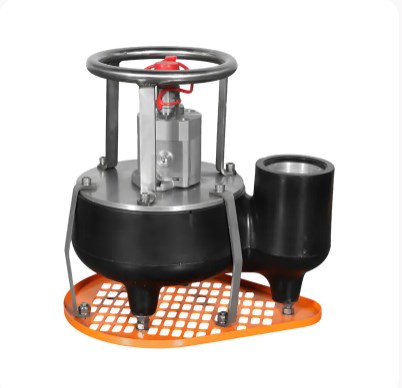
Smart Hydraulic Pumps
Smart hydraulic water pumps incorporate sensors and automated control systems to optimize performance in real-time. These sensors monitor pressure, flow rate, temperature, and vibration, providing continuous data that helps prevent failures and maintain efficient operation. For example, if a pump experiences an unusual pressure fluctuation, the system can automatically adjust the flow or alert operators to potential issues before they escalate. Smart pumps improve operational reliability, reduce manual intervention, and minimize maintenance costs.
Energy-Efficient Designs
Energy efficiency has become a core focus for hydraulic pump manufacturers. Innovations in pump design, including variable-speed drives, advanced impeller shapes, and low-friction materials, significantly reduce power consumption without compromising performance. Energy-efficient pumps not only lower operational costs but also align with global environmental goals by minimizing carbon emissions. In large-scale industrial or agricultural setups, even small efficiency improvements can translate into substantial cost savings over time.
Integration with IoT and Predictive Maintenance
The integration of hydraulic water pumps with the Internet of Things (IoT) has enabled predictive maintenance strategies. By continuously analyzing pump performance data, IoT-enabled systems can predict component wear, detect early signs of failure, and schedule maintenance before a breakdown occurs. This predictive approach minimizes unplanned downtime, extends equipment lifespan, and ensures uninterrupted water supply for critical applications.
Market Trends and Growth Forecasts
The global demand for hydraulic water pumps is expected to grow steadily, driven by industrial expansion, agricultural modernization, and urban infrastructure development. Emerging markets are increasingly adopting hydraulic solutions for irrigation, water supply, and wastewater management, further fueling industry growth. Innovations in smart technology, energy efficiency, and durability continue to redefine performance benchmarks, pushing the market toward more reliable, sustainable, and cost-effective solutions.
Choosing the Right Hydraulic Water Pump
Selecting the appropriate hydraulic water pump is a critical decision that directly impacts operational efficiency, cost-effectiveness, and system reliability. With a variety of pump types, pressure capacities, and flow rates available, understanding key selection criteria ensures that industries, agricultural operators, and municipal managers achieve optimal performance.
Key Selection Factors
When choosing a hydraulic water pump, several factors must be considered:
- Flow Rate Requirements: Determine the volume of water needed per hour or per day. High-flow applications, such as irrigation or industrial cooling, may require centrifugal pumps, while precision tasks may benefit from piston pumps.
- Pressure Needs: Identify the pressure required for the specific application. High-pressure operations, like hydraulic presses or cleaning systems, necessitate piston pumps, whereas moderate pressure needs can be met by centrifugal or submersible pumps.
- Pump Type and Application: Match the pump type to the operational environment. Submersible pumps are ideal for deep wells and drainage, centrifugal pumps suit continuous water supply, and piston pumps are suited for high-pressure precision tasks.
- Durability and Material: Consider the pump material relative to environmental conditions. Stainless steel provides corrosion resistance for submerged applications, while cast iron offers strength for high-pressure systems.
- Maintenance and Support: Evaluate the ease of maintenance, availability of spare parts, and technical support. Pumps with readily available accessories and clear maintenance guidelines ensure minimal downtime.
Decision-Making Guide
A systematic approach to pump selection involves the following steps:
- Assess Operational Needs: Clearly define flow rate, pressure, and environmental conditions.
- Select Pump Type: Choose between centrifugal, piston, or submersible based on application demands.
- Evaluate Technical Specifications: Compare pump capacities, material quality, and performance ratings.
- Consider Cost vs. Lifespan: Balance initial investment with long-term durability and maintenance expenses.
- Plan for Future Expansion: Anticipate potential changes in operational requirements and ensure scalability.
Conclusion
Hydraulic water pumps have become indispensable in modern industry, agriculture, and municipal water management due to their precision, reliability, and versatility. From high-pressure piston pumps to centrifugal and submersible models, each type is designed to meet specific operational needs, offering advantages such as controlled flow rates, energy efficiency, and long-term durability.
The adoption of hydraulic water pumps has revolutionized water management, enabling continuous operations in factories, efficient irrigation in agriculture, and reliable municipal water supply systems. Maintenance practices, including regular inspection of hydraulic fluids, seals, and valves, are essential to ensure optimal performance and extend the lifespan of the equipment. Preventive maintenance, coupled with the use of proper tools and accessories, minimizes downtime and operational costs.
In conclusion, selecting the right hydraulic water pump involves a careful assessment of flow rate, pressure requirements, pump type, material, and maintenance considerations.
PREV:The key role of Underwater Dredging Robot in modern underwater engineering
NEXT:How to Choose the Right Hydraulic Power Unit for Your Industrial Application
NEXT:How to Choose the Right Hydraulic Power Unit for Your Industrial Application
Interested in cooperation or have questions?
News
-
-
What is an Underwater Dredging Robot Underwater Dredging Robot is an advanced mechanical device designed speci...
READ MORE -
Introduction Winter weather brings many challenges, and one of the most critical issues is snow and ice accumu...
READ MORE -
Selecting the optimal Hydraulic Power Unit (HPU) is a critical decision that directly impacts the efficiency, ...
READ MORE

-
Factory Address
Weiwu Road, Phase II, Shexian Economic Development Zone, Mount Huangshan City, Anhui Province, China
-
Mobile Phone
+86 15212700663
Stay Connected
lf you can't find the answer you're looking for, chat with our friendly team.
Stay Connected
Copyright © Huirui Intelligent Equipment Co., Ltd. All Rights Reserved.China Custom Hydraulic and Emergency Equipment Manufacturers
