


 中文简体
中文简体
Understanding Hydraulic Water Pumps Hydraulic water pumps are pivotal components in modern industrial, agricul...
READ MOREHow is Modern Snow Removal Equipment Reshaping Urban Operational Efficiency in Winter?
In winter management systems in frigid regions, snow removal equipment is increasingly becoming a key technology for measuring urban emergency response capabilities and infrastructure operational resilience. With intensifying climate fluctuations and frequent extreme weather events in multiple regions, traditional snow removal methods are no longer sufficient to meet the standards of rapid, efficient, and safe operation. The new generation of snow removal equipment not only integrates mechanical power, intelligent control, and materials technology, but also constructs more systematic solutions around road environment, traffic demand, and operating costs, bringing a qualitative improvement to the winter transportation system.
Systematic Evolution of Urban Road Snow Removal Technology
As cities expand and road classifications become more refined, the function of snow removal equipment is no longer limited to clearing surface snow, but is gradually forming an integrated technology chain that combines sweeping, conveying, snow melting, and environmental monitoring. Equipment is continuously upgraded in terms of power systems, control precision, and operational continuity, while establishing collaborative strategies based on road materials, terrain changes, and traffic flow, resulting in an exponential increase in road clearance efficiency in winter.
Intelligent operation is an important trend in recent years. Multi-mode automatic control systems can differentiate operations based on snow density, road surface temperature, and humidity, achieving a dynamic balance between energy consumption and efficiency. The deep integration of sensing technology and positioning systems ensures stable operating paths and safe control capabilities even at night or in low-visibility environments.
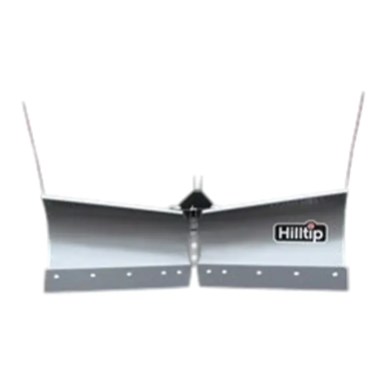
Multi-scenario snow removal needs drive equipment structural upgrades. The diversity of winter operating scenarios necessitates that snow removal equipment be adaptable across regions, materials, and working conditions. In different environments such as airports, highways, urban main roads, and pedestrian areas, equipment achieves compatibility by modifying its structural layout, power system, and operating modes. From wide-area operations to narrow-area clearing, from high-pressure snow pushing to low-impact sweeping, the equipment, supported by modular design, can more precisely adapt to specific scenarios, reducing the impact on road structures and surrounding facilities.
With the increasing emphasis on green operations, the power systems of equipment are gradually shifting from traditional fuel to new energy solutions. Electric drive and hybrid power technologies are becoming the mainstream trend in many key areas, enabling winter operations to maintain operational intensity while significantly reducing emissions and effectively controlling noise levels.
Intelligent Monitoring and Snow Melting Technology Enhance Road Safety
In high-speed operating environments, the post-snow road surface is not the biggest risk; the potential thin ice structure is the core factor leading to traffic accidents. Next-generation snow melting technology encompasses three main directions: surface thermal melting, chemical melting, and surface activity enhancement. By monitoring road surface temperature and structural changes in real time, the system can intervene before ice forms, reducing safety hazards caused by slippery roads.
The intelligent linkage of the snow melting system can feed data back to snow removal equipment, allowing it to adjust its operating rhythm and route planning, further enhancing the overall coordination of the winter transportation system. City managers can also use a back-end platform to monitor road conditions and equipment operating efficiency in real time, thereby issuing traffic information in advance, optimizing driving guidance, and improving emergency dispatch capabilities.
Faced with the continuously increasing demand for winter operations, the future development of snow removal equipment will focus on intelligence, environmental protection, and full-scenario coverage. The equipment's user interface will be more user-friendly, human-machine collaboration will be further improved, and management and maintenance costs will be significantly reduced. Multi-dimensional sensing systems will play a core role in the future, enabling equipment to have a higher environmental understanding capability and maintain stable operation under complex climatic conditions.
Future winter city operations will no longer rely on single mechanical forces, but rather on an intelligent ecosystem comprised of equipment, data, energy, and management models. Snow removal equipment will play an even more critical role in this system, and its technological level will directly impact the city's operational efficiency, traffic safety, and the quality of public services during extreme weather.
PREV:Hydraulic Pumps: The Core Power Driving Modern Industry
NEXT:Underwater Dredging Robot: Reshaping the Intelligent Future of Water Management with Core Advantages
NEXT:Underwater Dredging Robot: Reshaping the Intelligent Future of Water Management with Core Advantages
Interested in cooperation or have questions?
News
-
-
What is an Underwater Dredging Robot Underwater Dredging Robot is an advanced mechanical device designed speci...
READ MORE -
Introduction Winter weather brings many challenges, and one of the most critical issues is snow and ice accumu...
READ MORE -
Selecting the optimal Hydraulic Power Unit (HPU) is a critical decision that directly impacts the efficiency, ...
READ MORE

-
Factory Address
Weiwu Road, Phase II, Shexian Economic Development Zone, Mount Huangshan City, Anhui Province, China
-
Mobile Phone
+86 15212700663
Stay Connected
lf you can't find the answer you're looking for, chat with our friendly team.
Stay Connected
Copyright © Huirui Intelligent Equipment Co., Ltd. All Rights Reserved.China Custom Hydraulic and Emergency Equipment Manufacturers
